


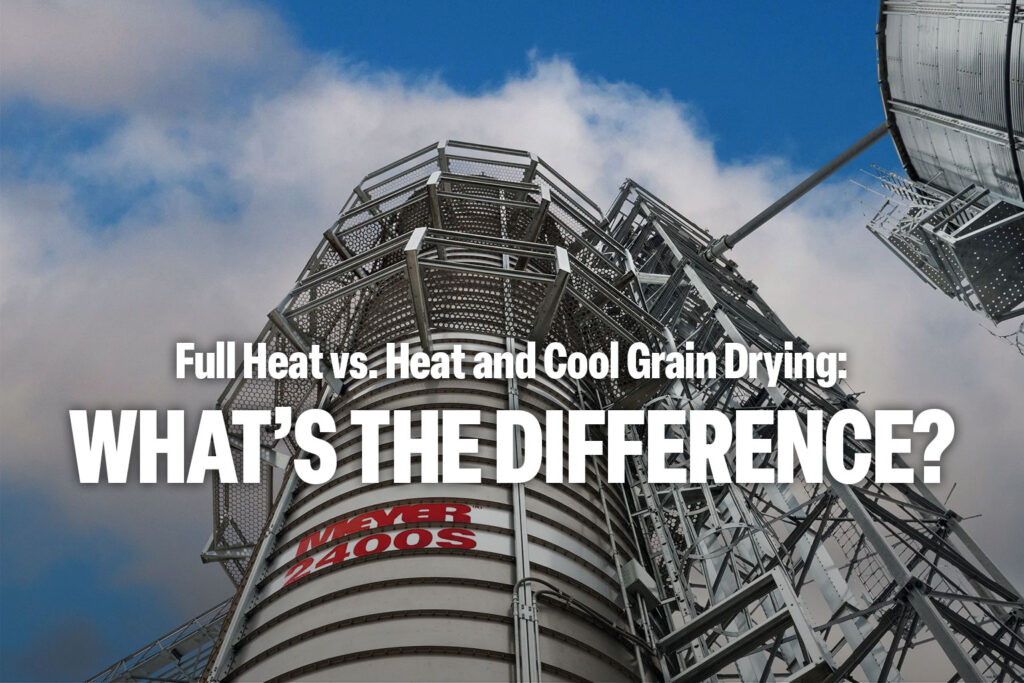
Full Heat vs. Heat and Cool Grain Drying: What’s the Difference?
Switching a grain dryer from heat and cool to full heat operation can increase throughput. But the additional capacity comes with a tradeoff: more heat and moisture must be managed after the grain leaves the dryer.
Whether that tradeoff makes sense depends on the storage and aeration system, the volume of grain being processed, and how much post-dryer management an operation can accommodate.
Brock District Manager Bill Winchell emphasizes that the two drying methods need to be evaluated as part of the entire grain handling system, not simply by comparing dryer output.
Full Heat Drying: More Throughput, More Bin Management
In full heat operation, grain leaves the dryer hot and above its intended final storage moisture. Cooling and the remaining moisture removal take place in the bin.
Because the dryer isn’t using a dedicated cooling stage, it can process more grain per hour than the same equipment operating in heat and cool mode.
But the storage bin becomes an active part of the drying process.
The residual heat in the grain provides energy to remove additional moisture during cooling. Managing that process requires appropriate airflow and an understanding of how quickly the grain should cool.
“For a full heat dryer, you want to cool the grain slowly in the bin,” Winchell explains.
Cooling the grain too quickly can remove the heat needed to drive off the remaining moisture. The result may be grain that doesn’t reach the intended final moisture level.
That means the aeration system must be matched to the drying method rather than simply sized to provide maximum airflow.
Why More Aeration Isn’t Always Better
One less obvious consideration with full heat drying is that a fan with greater airflow capacity isn’t necessarily an advantage.
Winchell describes situations where an existing bin was equipped with a large fan for in-bin drying. When that bin was later paired with a full heat dryer, the fan cooled the grain too quickly to achieve the expected moisture removal.
“You can have too much air at times, particularly with full heat drying,” he says.
The challenge grows as dryer capacity increases.
A system processing 2,000 bushels per hour introduces substantially more heat and moisture into storage than one processing 300 bushels per hour. The bin, airflow system and grain handling equipment all need to accommodate that volume.
It’s one reason Winchell says full heat drying has become less common with larger dryers.
Heat and Cool Drying: Less Post-Dryer Conditioning
In heat and cool operation, the dryer removes moisture and then cools the grain before discharge.
The expectation is that grain leaves the dryer at a moisture level appropriate for storage, with most of the drying heat already removed.
Some aeration is still needed to remove residual heat, but the bin isn’t expected to remove as much moisture as it would with full heat drying.
This reduces the post-dryer conditioning required and can simplify grain management, especially when grain moves directly to market.
The tradeoff is reduced dryer throughput compared with full heat operation in the same equipment.
Match the Drying Method to the System
Before choosing between full heat and heat and cool operation, consider how the decision affects the rest of the system:
- Storage: Will grain be held on-site long enough to complete cooling and conditioning?
- Aeration: Can the bin provide the airflow characteristics required by the drying method?
- Capacity: How much additional throughput would full heat operation provide under actual harvest conditions?
- Grain handling: Can the equipment accommodate the volume and temperature of grain leaving the dryer?
- Management: Can operators devote the necessary attention to monitoring grain condition after drying?
Winchell sums up the relationship between these components: “You never buy a grain dryer, you have a drying system.”
A change in drying method may improve throughput, but only if the supporting equipment can handle the different operating requirements.
Working with a Brock dealer to evaluate dryer capacity, storage configuration and aeration can help determine which approach is better suited to the operation.
To get the next article delivered to your inbox, subscribe to Brock News:
About Bill Winchell:
Bill Winchell is a District Manager at Brock Grain Systems with more than 35 years in the role and over 50 years of hands-on experience in the grain industry. He began his career in grain elevator operations in 1972, later managed a family farm machinery dealership, and then moved into grain systems sales with Butler Manufacturing before joining Brock when CTB acquired Butler Grain Systems in 1997. Today Bill covers Wisconsin, Minnesota, North Dakota, and western Canada, and is widely regarded within the company as a leading resource on grain dryer operations and service.

Bill Winchell
District Manager
Brock Grain Systems
When Your Grain Storage System Can’t Keep Up with Your Farm
Has your farm outgrown its grain system? Learn when to expand grain storage, drying, and handling capacity before harvest.
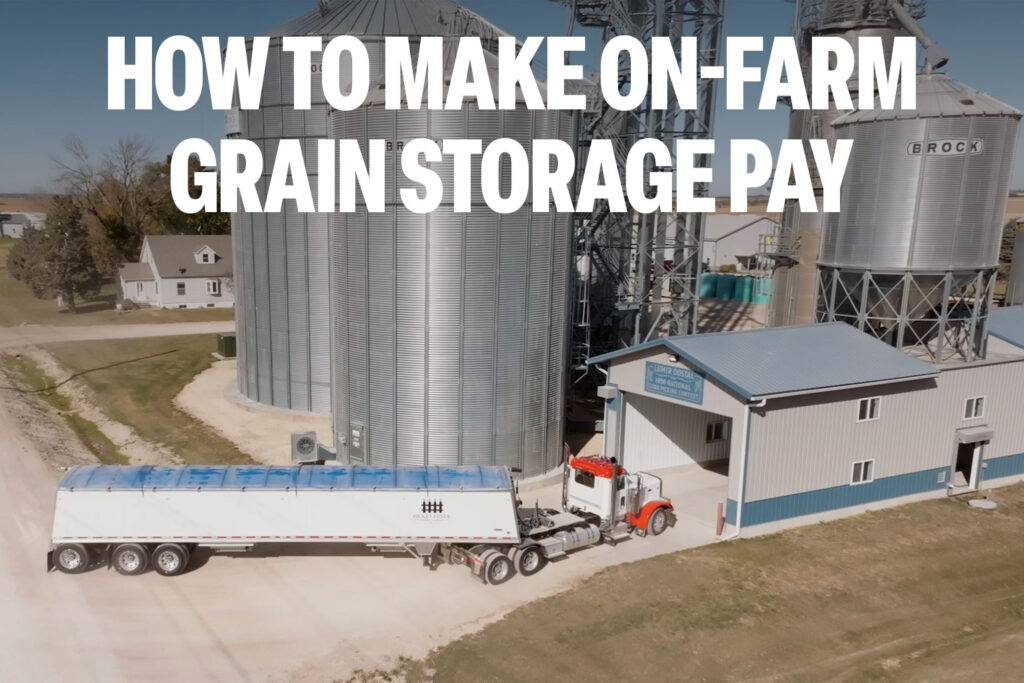
How to Make On-Farm Grain Storage Pay.
Part 5 of a 5-part series. Throughout this series, we’ve looked at tighter grain systems, harvest bottlenecks, and storage pressure. Now the question becomes: Does storage actually pay?
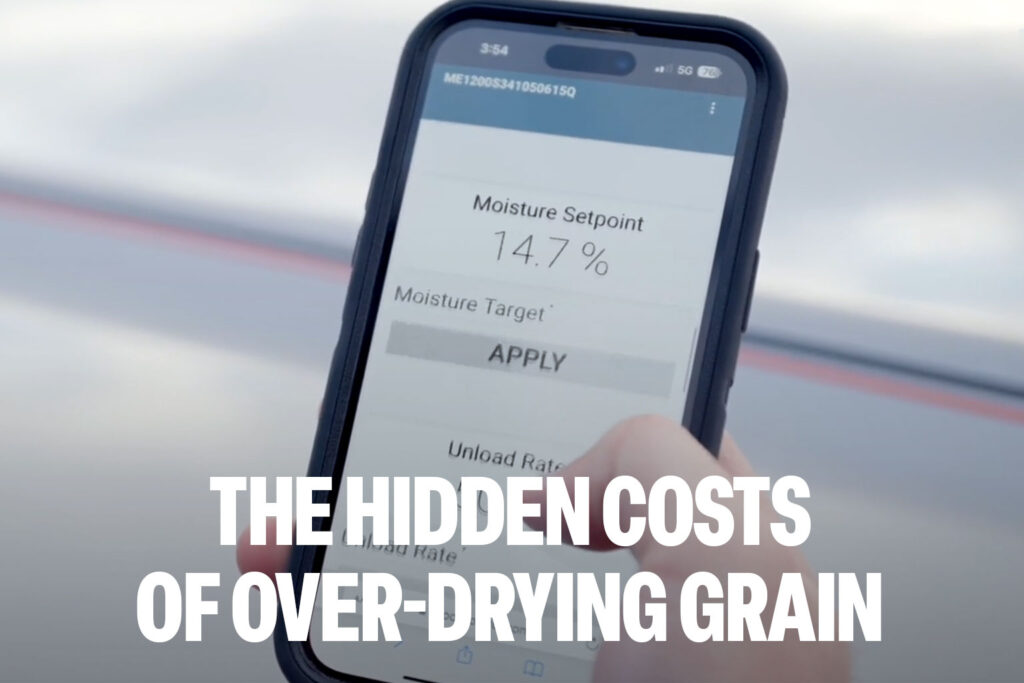
The Hidden Costs of Over-Drying Grain
Over-drying grain can increase fuel costs and reduce dryer throughput. Learn how proper moisture sensor calibration helps maintain drying efficiency.