





When Your Grain Storage System Can’t Keep Up with Your Farm
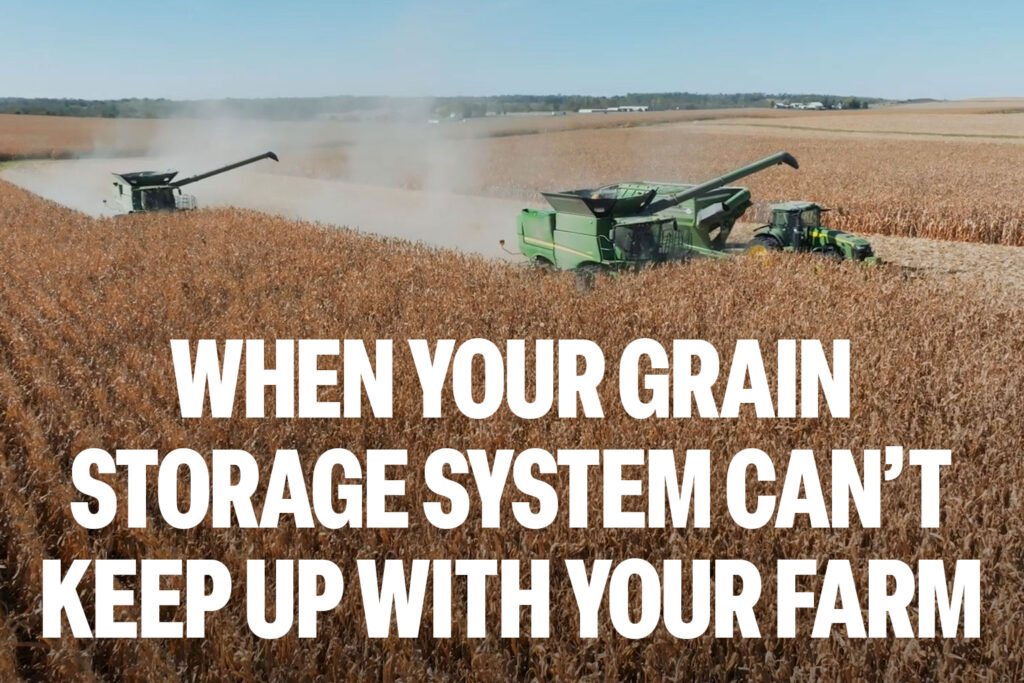
Many farms today don’t look the same as they did 10 or 20 years ago. More acres. Higher yields. Larger equipment.
In many cases, though, the grain storage system hasn’t grown at the same pace. That doesn’t always create problems overnight. But over time, the gap between production and infrastructure can become harder to ignore.
Growth Changes More Than Production
As farms grow, every part of the operation changes. More acres and higher yields put additional demands on dryers, storage, grain handling equipment, trucks, and labor. A grain storage system that worked well years ago may not be sized for the operation it supports today.
John Strickland, a corn, cotton and peanut farmer from Blackshear, Georgia, knows the importance of planning for expansion. “Always build your system with growth in mind, because you will grow… make sure your facility is where you can add on at no extra cost, except just the expansion of the bins or the dryer or whatever you’re doing.”
The Warning Signs
Most farms don’t reach a point where the system suddenly stops working. Instead, the signs tend to appear gradually.
Harvest takes longer than it used to. Trucks spend more time waiting. Drying struggles to keep up during wetter years. Bins fill sooner than expected.
Each issue may seem manageable on its own. Together, they can begin to affect harvest efficiency and marketing flexibility.
It’s About System Capacity
Storage is only one part of the equation.
Drying capacity, unload speed, grain handling, truck flow, and storage all work together. When one part of the system falls behind, the rest of the operation often feels it.
That’s why evaluating the entire grain system—not just storage capacity—is an important part of planning for future growth.
A Farm That Has Outgrown Its System
Imagine a farm that once harvested 180,000 bushels each year and now harvests 300,000.
The combines are larger. Harvest moves faster. But if the dryer, storage, and grain handling system haven’t changed, the operation may spend more time waiting on infrastructure than moving grain.
Growth doesn’t automatically create bottlenecks. But it often exposes them.
Terry Hall, a corn, soybean and rice farmer from Lake City, Arkansas, understands the importance of planning for growth, and its impact on operational efficiency. “That’s actually the one mistake I feel like we made — we don’t have a loop system. We built bins as we needed them because at the time that’s all I felt we could afford. If I were starting from scratch, I’d build one system — 50% storage, one loop, one central location.”
Planning for What’s Next
Growth rarely happens all at once. A few more rented acres. A neighboring farm becomes available.
Yields improve over time.
Eventually, the grain system is supporting an operation that looks very different from the one it was originally built for.
That’s why many producers think beyond today’s needs when making infrastructure investments. Expanding storage or upgrading grain handling equipment isn’t just about this year’s crop—it’s about building a system that can continue to support the operation as it grows.
The Bottom Line
Farm growth doesn’t always show up first in the field. Often, it shows up at harvest.
That’s when producers discover the grain system that worked for yesterday’s operation isn’t keeping pace with today’s. Evaluating system capacity before that happens can help reduce bottlenecks, improve harvest efficiency, and create more flexibility for future growth.
Teel Warbington has farmed full-time for more than 35 years near Vienna, Georgia, growing corn, cotton and peanuts alongside his brother, his father and the next generation of Warbingtons now coming into the operation. His advice, “If you’re starting from square one, I’d put in 50% more capacity than what I thought I’d need. That gives you room to expand… Looking back, if I’d built one or two rings taller, I’d have more capacity now and it wouldn’t hurt me at all.”
Brock Perspective
As farms expand, grain storage systems should expand with them. Building for today’s operation is important. Building with tomorrow’s growth in mind can help keep harvest efficient and create more flexibility for years to come.
More on Grain Storage Planning
Continue building your grain storage strategy with these related articles.
- America’s Grain Storage Cushion Is Shrinking
Why tighter storage capacity is changing the way farms prepare for harvest.
- Is Your Grain System Ready for the Next Record Harvest?
How growing production continues to put pressure on grain handling systems.
- The Hidden Cost of Harvest Bottlenecks
Where delays develop and how they affect harvest efficiency.
- How Much Grain Storage Does Your Farm Actually Need?
Questions to help evaluate whether your current storage capacity fits your operation.
- How to Make On-Farm Grain Storage Pay
Insights into the economics of grain storage systems.
To get the next article delivered to your inbox, subscribe to Brock News:
About the author:
Mike Manheim is a District Manager at Brock Grain Systems, covering the central U.S. since joining Brock in 2023. He brings more than 31 years of field service and technical sales experience to the role, including nearly 24 years in equipment service management and sales management within the grain handling industry. His background spans equipment service, agricultural sales, and weights-and-measures compliance, giving him a practical, systems-oriented perspective on what it takes to keep a grain operation running at peak performance.

District Manager
Brock Grain Systems
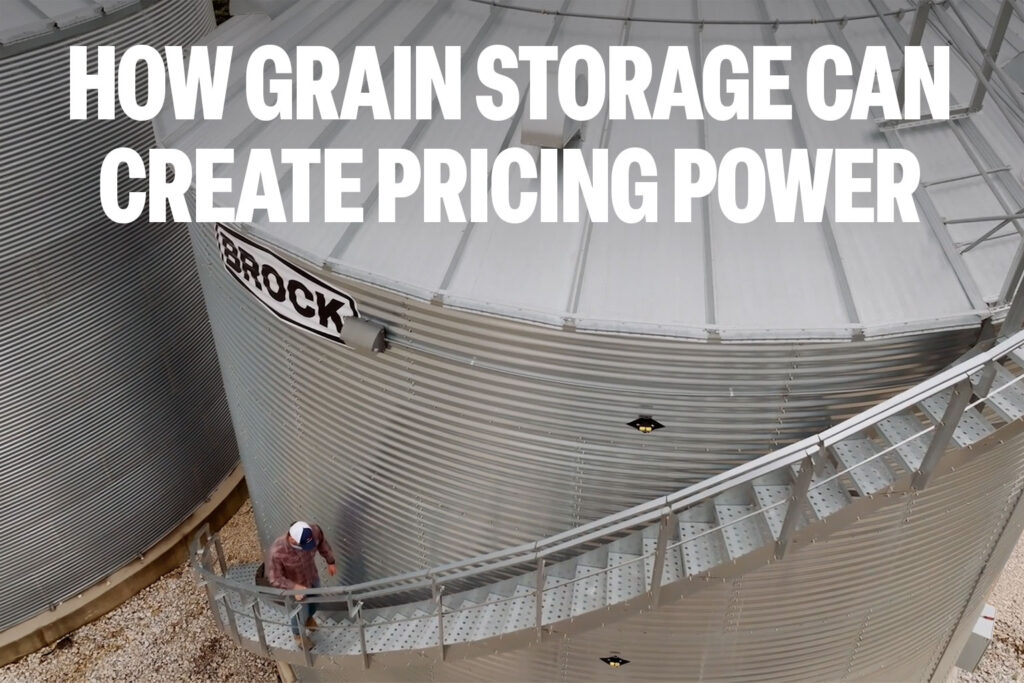
How Grain Storage Can Create Pricing Power
Learn how grain storage can create marketing flexibility through basis improvement, futures carry, and better timing.
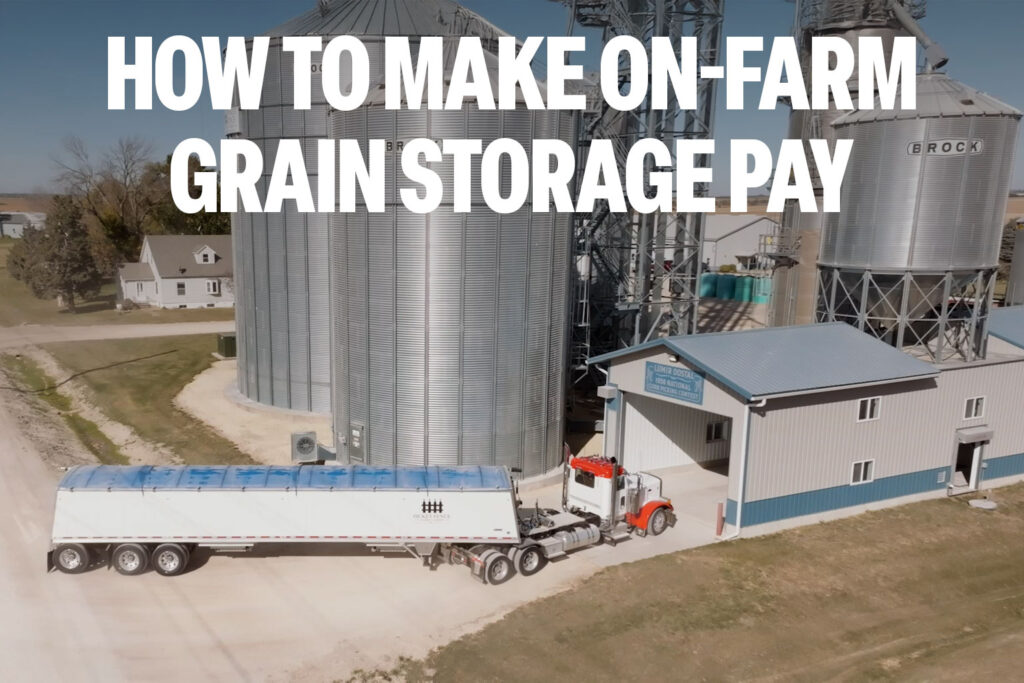
How to Make On-Farm Grain Storage Pay.
Part 5 of a 5-part series. Throughout this series, we’ve looked at tighter grain systems, harvest bottlenecks, and storage pressure. Now the question becomes: Does storage actually pay?
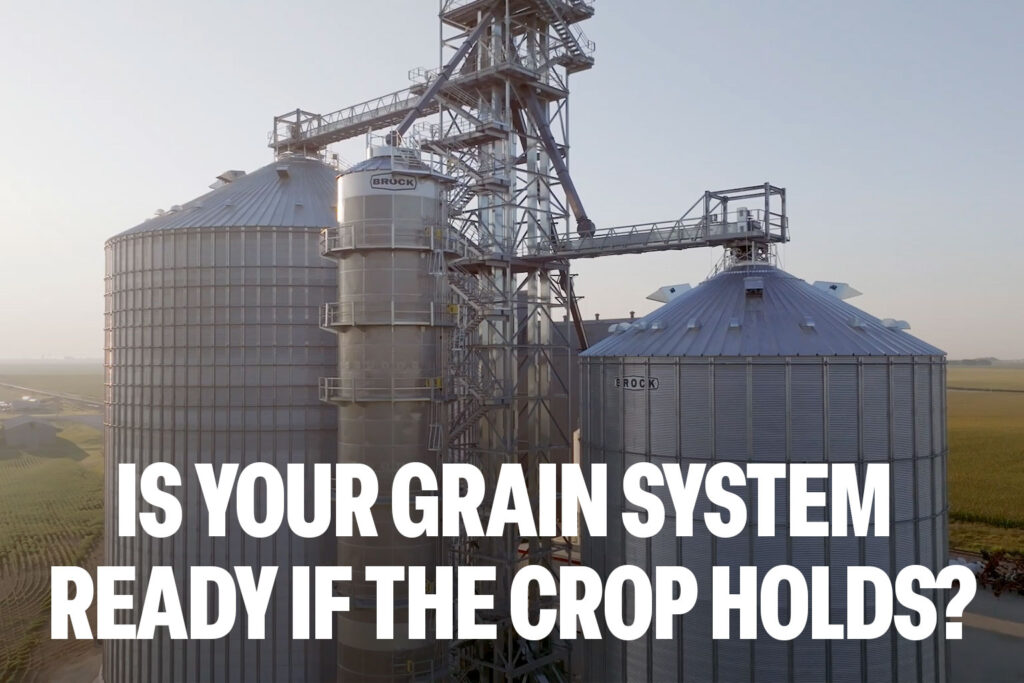
Is Your Grain System Ready if the Crop Holds?
Is your grain system ready for a strong crop? Evaluate storage capacity, handling speed, and harvest readiness before the combines start rolling.