





The Hidden Cost of Harvest Bottlenecks
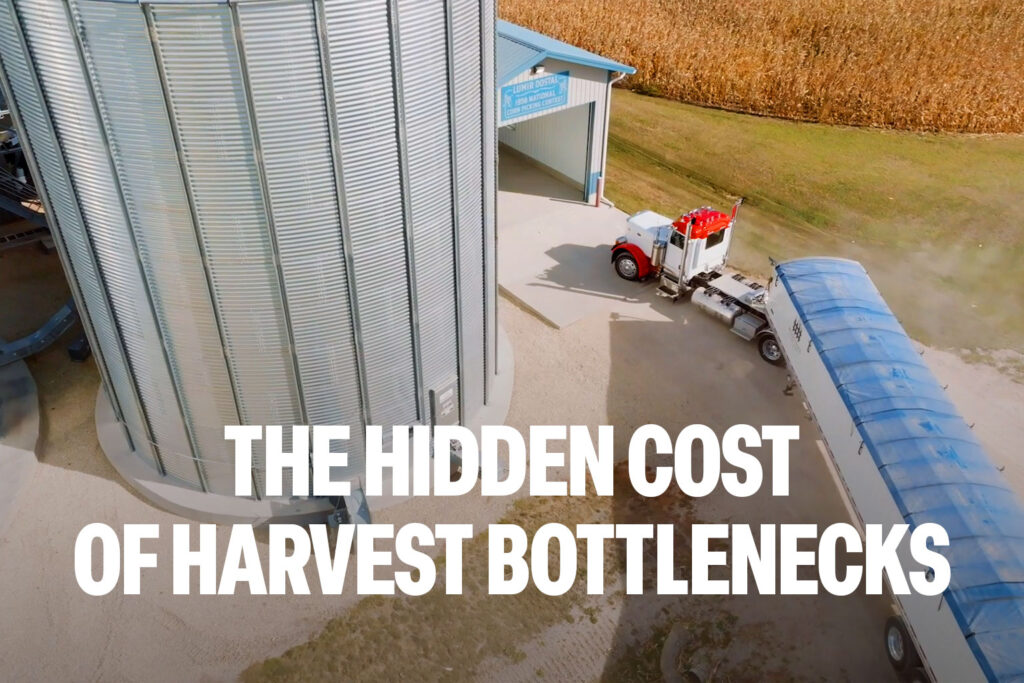
Part 3 of a 5-part series
In part 1 and part 2, we looked at how tighter storage shows up during harvest.
One of the biggest impacts isn’t just operational—it’s financial.
The Costs You See
Some costs are obvious:
- equipment sitting idle
- extra labor
- more time and fuel
You feel those right away.
When trucks are waiting or combines are stopped, there’s a clear, immediate cost. And over the course of a long harvest, those small inefficiencies can add up to meaningful time and expense.
The Costs You Don’t See
The bigger costs are often less obvious.
When things get tight, decisions change.
If you’ve ever:
- sold grain earlier than planned
- delivered because you had to, not because you wanted to
- taken a harvest price just to keep things moving
—you’ve seen this side of it.
Those decisions are often driven by capacity, not strategy, and they tend to happen at the least favorable times.
How It Adds Up
Consider a farm harvesting 200,000 bushels of corn.
A modest price difference of just 40 to 50 cents per bushel between harvest and later in the season can represent:
$80,000 to $100,000 in potential revenue difference.*
That’s not guaranteed income. Markets don’t move the same way every year.
But it represents opportunity, and without storage, that opportunity may not exist.
The Market Reality
Grain prices tend to follow seasonal patterns.
Prices are often weakest at harvest, when supply is highest, and improve later in the marketing year.
Storage doesn’t guarantee better pricing.
But it gives you the ability to decide when to sell, instead of being forced to move grain when the system is under pressure. That flexibility becomes more valuable in tighter systems.
Bottlenecks Limit Options
When the grain system is tight, flexibility disappears.
Grain has to move.
And when timing is forced, pricing is often compromised.
In many cases, the decision isn’t:
“What’s the best time to sell?”
It’s: “What can we move right now?”
The Long-Term Effect
One year of early sales may not stand out.
But over time, repeated decisions like that can impact overall farm performance. The difference between reacting to pressure and planning ahead becomes more meaningful over multiple seasons.
The Bottom Line
Harvest bottlenecks aren’t just operational challenges. They’re economic ones.
Because the ability to manage grain—when and how it moves—is directly tied to the ability to manage its value.
When the system is tight, flexibility disappears. And when flexibility disappears, value often goes with it.
Brock Perspective
The ability to control grain flow isn’t just about efficiency. It’s about protecting the value of every bushel.
*Example based on a 200,000-bushel crop and a 40–50 cent per bushel market difference. Actual pricing opportunities vary by year, market conditions, storage costs and local basis.
To get the next article in this series delivered to your inbox, subscribe to Brock News:
About the author:
Mike Manheim is a District Manager at Brock Grain Systems, covering the central U.S. since joining Brock in 2023. He brings more than 31 years of field service and technical sales experience to the role, including nearly 24 years in equipment service management and sales management within the grain handling industry. His background spans equipment service, agricultural sales, and weights-and-measures compliance, giving him a practical, systems-oriented perspective on what it takes to keep a grain operation running at peak performance.

District Manager
Brock Grain Systems
More from this series
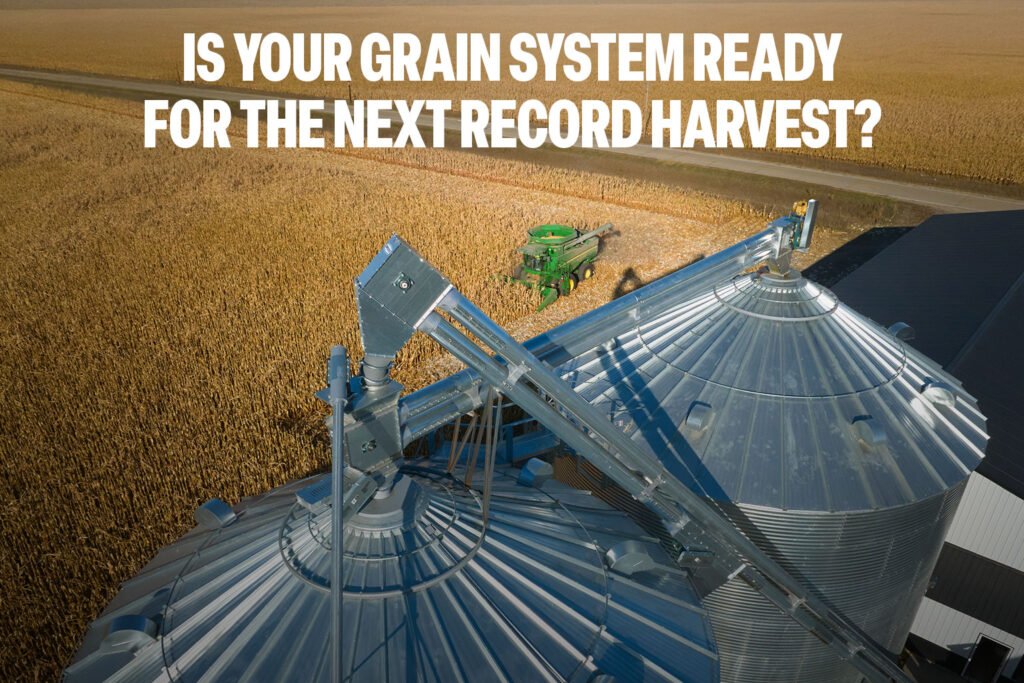
Is Your Grain System Ready for the Next Record Harvest?
Part 2 of a 5-part series. In a recent article, we looked at how the grain system is tightening. One of the first places that shows up is during harvest.