





Is Your Grain System Ready If the Crop Holds?
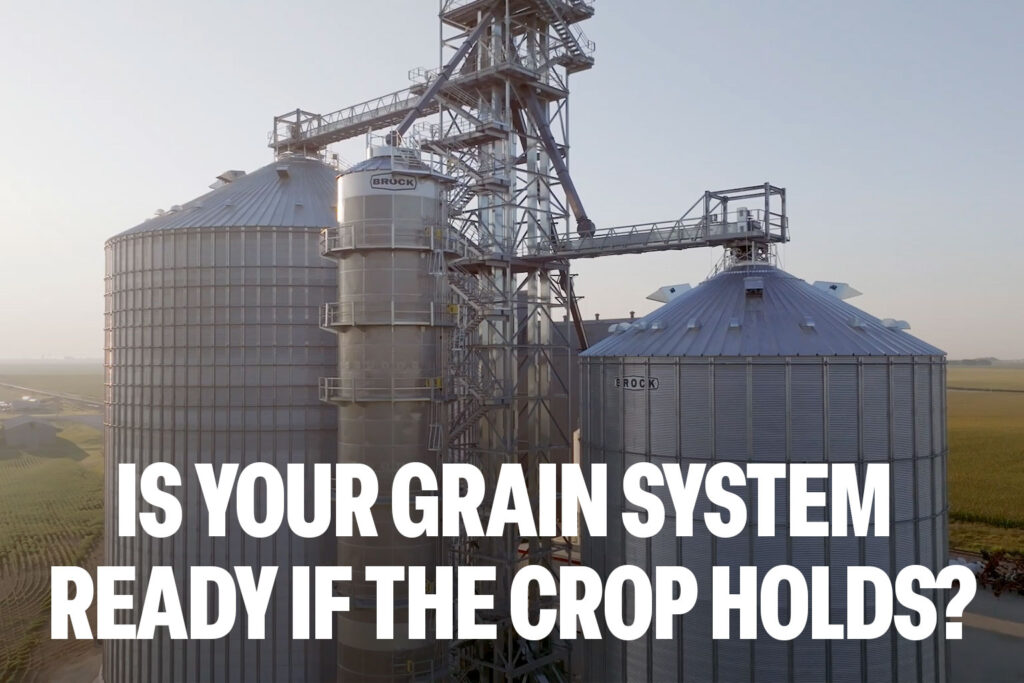
Now that we are into the second half of the growing season, many producers across the Corn Belt and Great Plains are watching the crop with cautious optimism.
According to the latest USDA Crop Progress report, much of the U.S. corn and soybean crop remains in good condition. While weather over the next several weeks will still determine final yields, current conditions suggest many operations could once again be preparing for a busy harvest.
The crop isn’t in the bin yet. But now is a good time to make sure your grain system is ready if it gets there.
Good Crops Bring Opportunity—and Pressure
Every growing season is different. Weather changes. Markets change. Yield potential can change quickly.
But when crop conditions are favorable heading into late summer, it’s a reminder that harvest logistics deserve as much attention as the crop itself.
A strong harvest doesn’t just increase grain volume; it also increases the demands placed on dryers, handling equipment, trucks, and storage systems, often within a very short window.
Harvest Doesn’t Wait
Once the crop is ready, everything depends on keeping grain moving. If trucks are waiting to unload, grain carts begin to fill. When grain carts fill, combines slow down. Before long, what started as a small delay can affect the entire operation.
No one wants equipment sitting still because the grain system can’t keep pace.
If it’s too late to address them this season, knowing where they are is still valuable — those are the first calls to make when harvest wraps.
Evaluate Now — Plan for Next Season
If harvest is weeks away, the time for major equipment decisions has passed for this year. But the weeks leading into harvest are actually one of the best times to evaluate your system — because you’re about to see it perform under real conditions.
Walk through the entire process from field to final storage with next season in mind:
- Can your dryer keep up if harvest conditions are wetter than expected?
- Will handling equipment move grain quickly enough to keep trucks turning?
- Are fans, aeration systems, and bins showing signs of wear that will matter next year?
- Will your storage capacity give you the flexibility to market grain on your schedule?
What you observe this harvest becomes the foundation for smarter decisions this fall and winter. Farm shows — including the upcoming Farm Progress Show and other regional shows through September — give producers a chance to see equipment options before the ordering season opens. Most dealers begin taking orders in October, with the primary ordering window running through early spring.
Identifying the gap now means you’re not starting from scratch in November.
Preparation is Valuable, Regardless of Yield
Mid-summer crop ratings are an encouraging sign, but they’re not a guarantee.
Whether yields finish above trend or closer to average, a well-prepared grain system improves harvest efficiency. Equipment maintenance, system inspections, and identifying potential bottlenecks now can help reduce downtime later.
Preparing early doesn’t predict the size of the crop. It simply puts your operation in a better position to handle whatever harvest brings.
Looking Ahead
As harvest gets closer, it’s worth revisiting every part of the grain system—from handling capacity and drying performance to storage availability and grain flow.
If you’re evaluating your operation this season, these related articles offer additional insights:
- America’s Grain Storage Cushion Is Shrinking – Why tighter storage capacity is changing the way farms prepare for harvest.
- Is Your Grain System Ready for the Next Record Harvest? – How growing production continues to put pressure on grain handling systems.
- The Hidden Cost of Harvest Bottlenecks – Where delays develop and how they affect harvest efficiency.
- How Much Grain Storage Does Your Farm Actually Need? – Questions to help evaluate whether your current storage capacity fits your operation.
- How to Make On-Farm Grain Storage Pay – Insights into the economics of grain storage systems.
Brock Perspective
Crop conditions can change quickly, but the value of a well-prepared grain system doesn’t. Taking time now to inspect equipment, evaluate capacity, and address potential bottlenecks can help your operation move grain more efficiently when harvest begins.
To get the next article delivered to your inbox, subscribe to Brock News:
About the author:
Shawn Gearhart is a District Manager at Brock Grain Systems with more than nine years of experience helping farm operations evaluate and invest in grain storage and handling systems. He holds a degree in Agricultural Economics from Purdue University and previously worked as an Agriculture Statistician with the USDA. His background spans grain markets, farm economics, and on-farm system planning.

District Manager
Brock Grain Systems
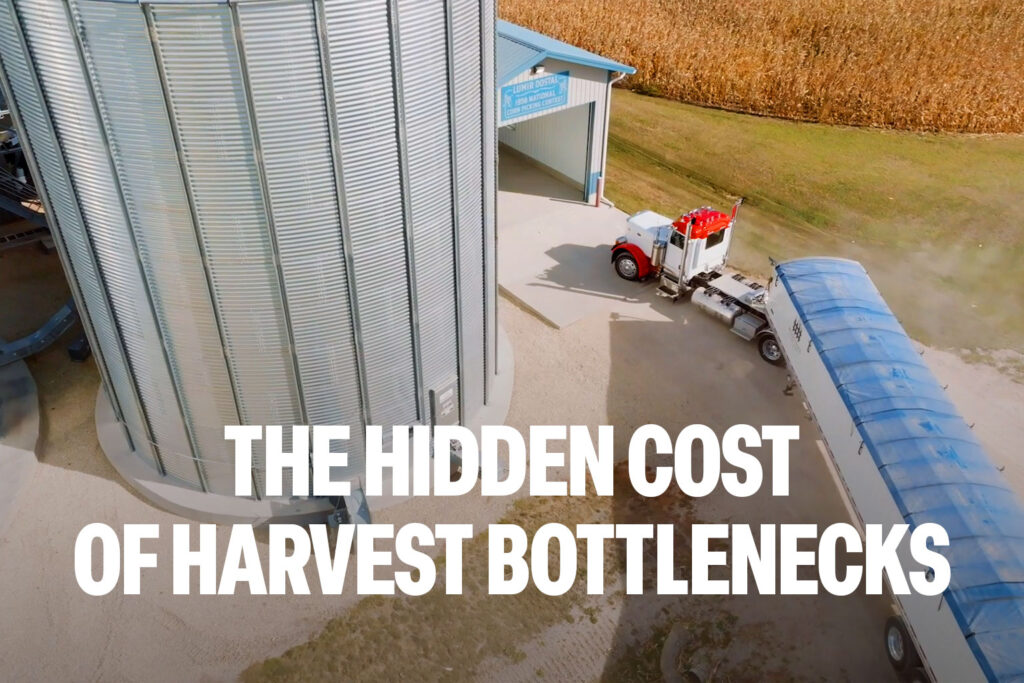
The Hidden Cost of Harvest Bottlenecks.
Part 3 of a 5-part series. Previously we looked at how tighter storage shows up during harvest. One of the biggest impacts isn’t just operational—it’s financial.
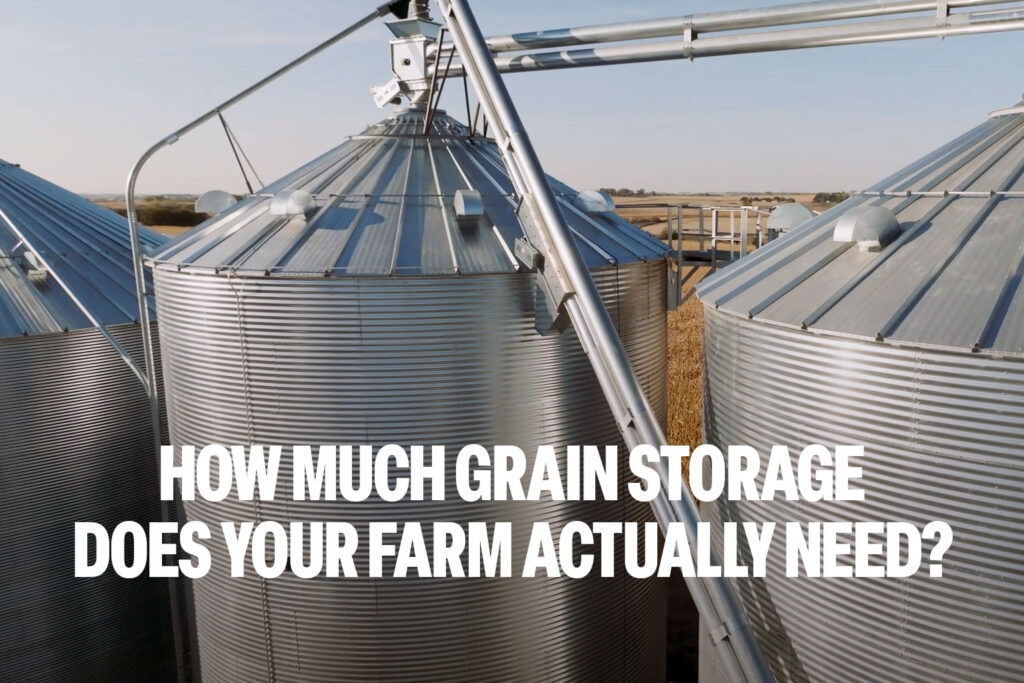
How Much Grain Storage Does Your Farm Actually Need?
Part 4 of a 5-part series. As yields continue to grow, storage capacity matters more than it used to. For a lot of farms, the question is no longer: “Do I need grain storage?” It’s: “How much is enough?”
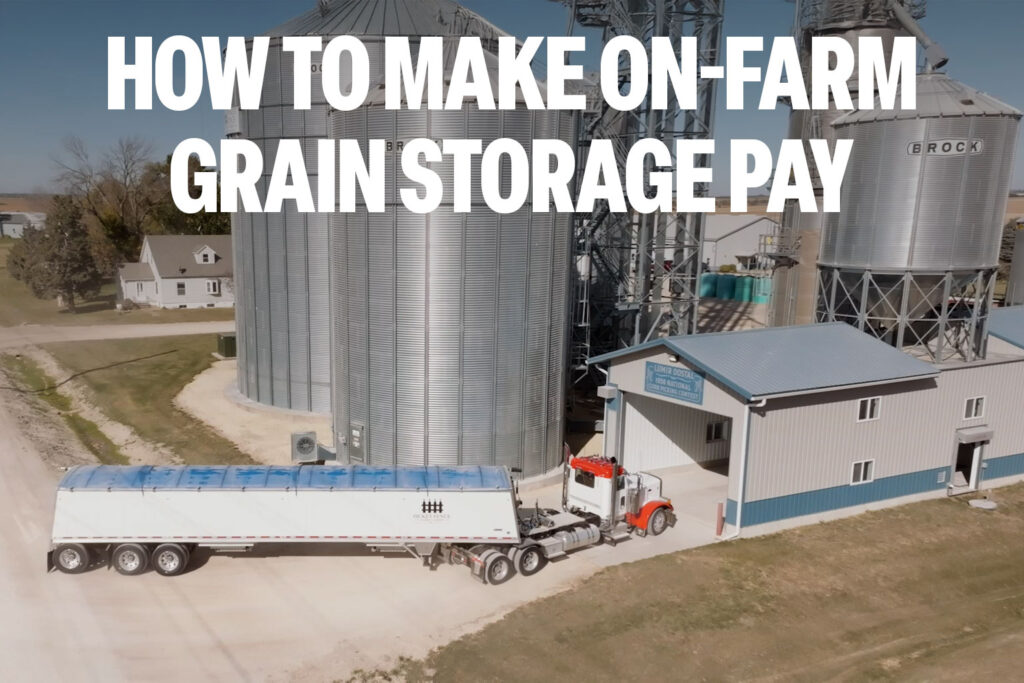
How to Make On-Farm Grain Storage Pay.
Part 5 of a 5-part series. Throughout this series, we’ve looked at tighter grain systems, harvest bottlenecks, and storage pressure. Now the question becomes: Does storage actually pay?