








Don’t
- Open any of the intermediate sumps until the grain cone reaches the floor through the center sump.
- Never unload from the outer sumps until all grain has been unloaded from the center sump and any intermediate sumps closer to the center.
- Use intermediate sumps for blending grain.
Even a small margin of error can cause a bin to fail.
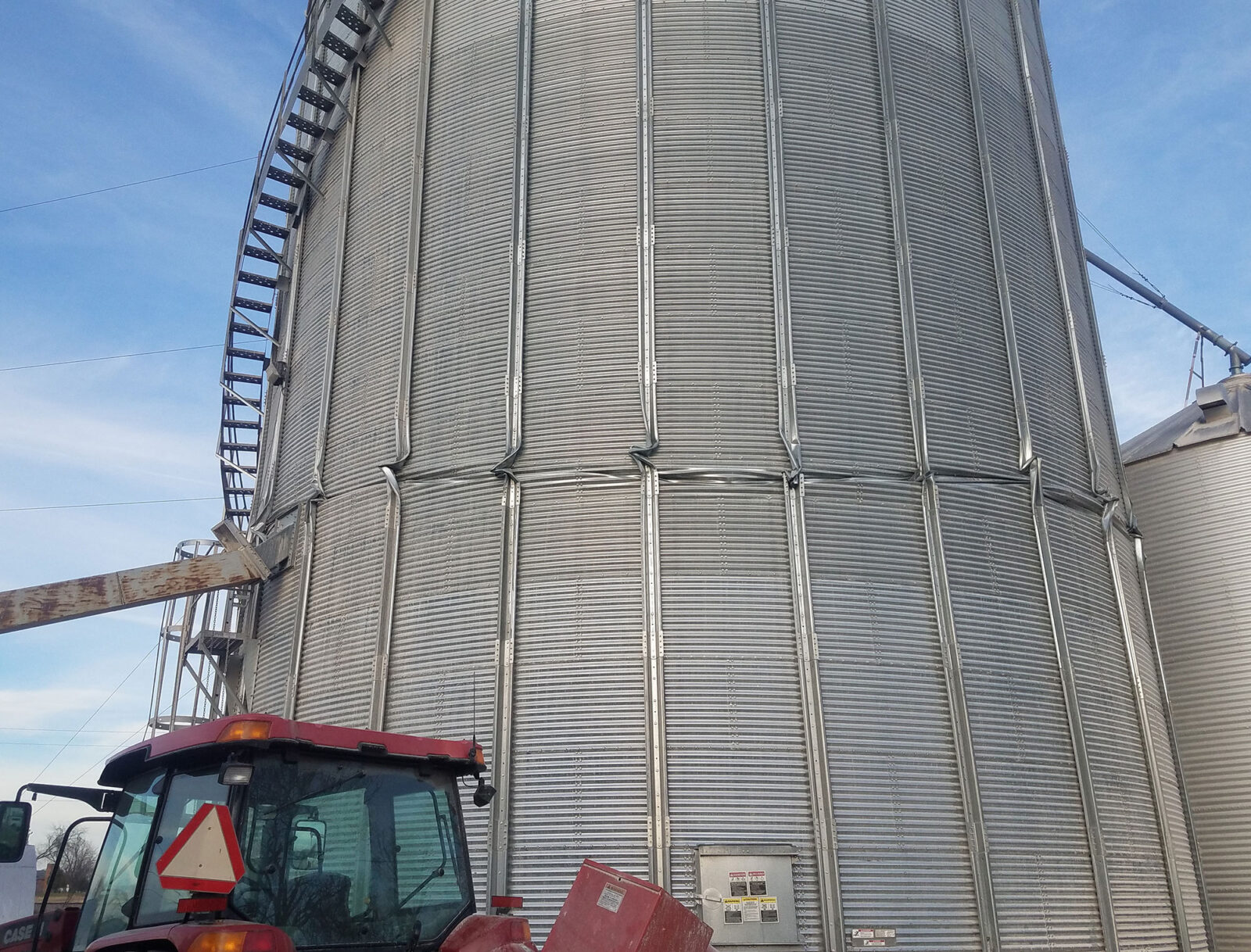
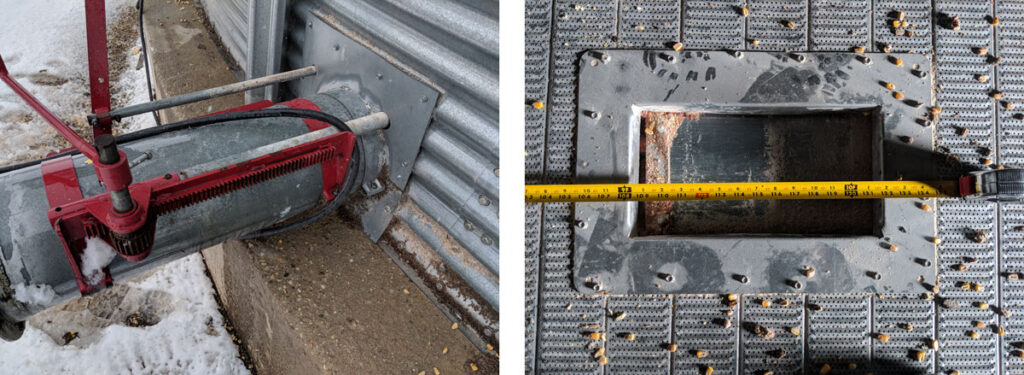
Protect the safety of people first.
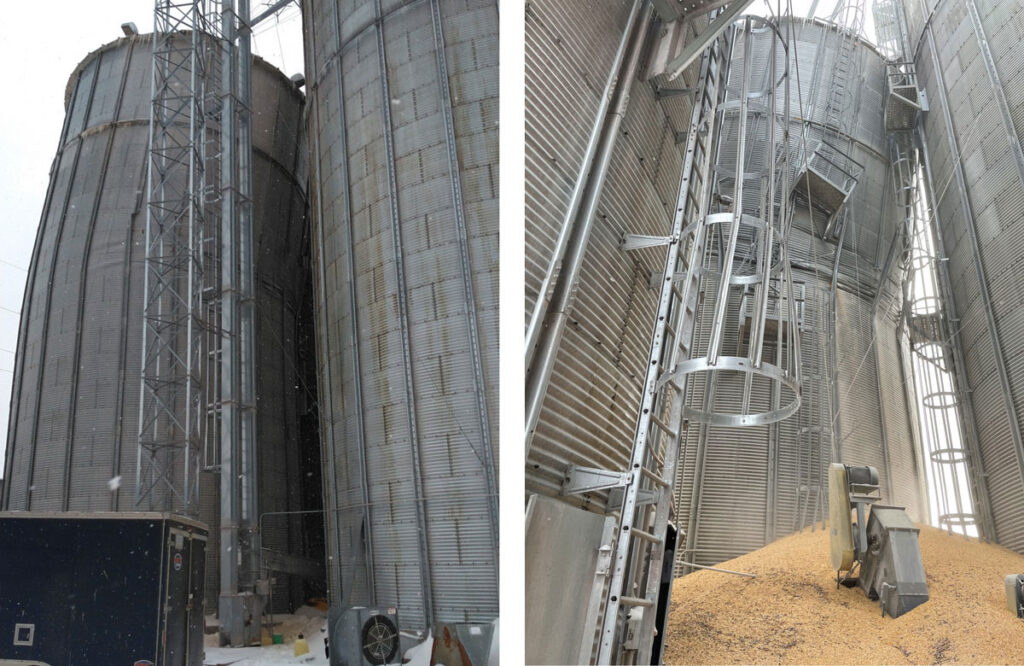
Proper grain bin unloading.
“To maintain equal pressure on all sides of the bins, you must unload all of the grain from the center of the bin before opening any intermediate sumps,” explained Gearhart. “This way, the grain falls away from the wall to form an inverted cone with the pressure remaining equal all the way around the bin.”
Continue monitoring grain flow for consistency, watch for unusual noises or vibration, and check for signs of spoilage or crusting. Once unloading is complete, clean out remaining grain and inspect the floor, sumps, and unload system for buildup or damage before closing the bin.
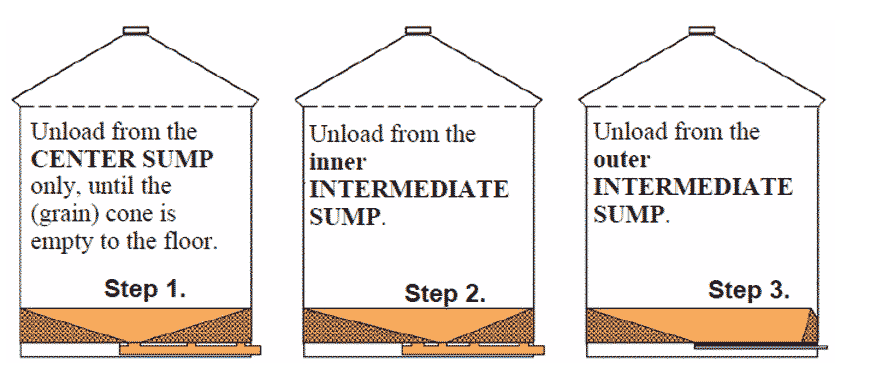
Importance of installing an emergency sump.
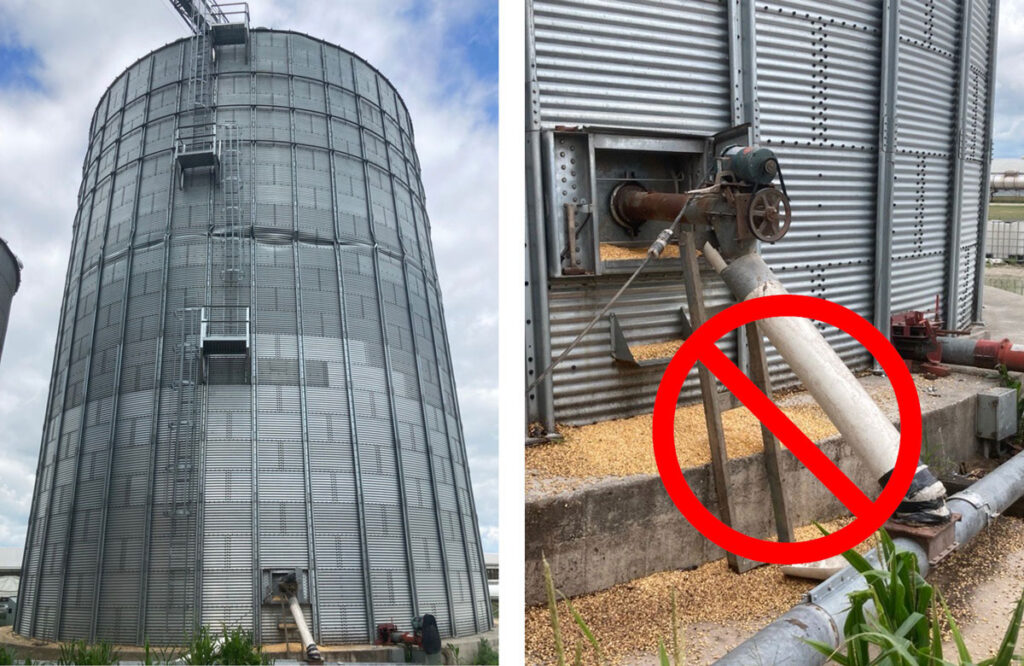
Emergency sump.
“Because it’s such an important feature, an emergency or alternate sump comes standard with all Brock grain bin unloading equipment,” said Gearhart. An emergency sump is controlled independently from other intermediate sumps and is only used if the center sump is plugged by grain or becomes mechanically inoperable. It must be in the center quarter of the bin (e.g., within 6 feet of the center for a 48-foot bin). Incorrect use without an emergency sump risks off-center unloading and damage to the bin.
Watch this demonstration highlighting the importance of proper bin unloading.
Continue Reading
Other Resources
More information about unloading grain bins is available in the Brock Grain Systems operator’s manual. »